

OVERVIEW
What Is a Hardware Engineer?
Because computer systems are commonplace today, computer engineering is a surprisingly diverse field. However, whether you work with personal computers, mobile devices, embedded systems, or other products, this job involves using circuit boards, routers, networks, memory, and processors, among other elements. You’ll be working with all of these technologies to create a product that meets a specific set of needs.
In addition to learning to work with these elements, computer hardware engineers receive training at the bachelor’s degree level in processes related to designing, developing, testing, and debugging their products. These programs also often include a programming element to help you understand the needs of software developers who will use your equipment.
Because this is such a specialized career, a master’s degree in computer engineering or a related field can prove useful, as can developing soft skills related to problem-solving, teamwork, and communication.
RESPONSIBILITIES
What Does a Hardware Engineer Do?
A hardware engineer’s duties include the design, development, and testing of computer systems and components. You can either work alone or on a small or large team.
Solo or small-scale engineers often work on an entire process themselves, but you may focus on one specific aspect of hardware design or testing if you work for a larger company.
This field is developing rapidly, especially when it comes to embedded systems and mobile devices. This career can involve extended research and development projects related to creating new or improving products.
Here are some of the key roles you may have as a hardware engineer:
- Hardware design: Hardware engineers are involved in designing and developing schematics for new computer hardware and systems.
- Testing and analysis. Hardware engineers are tasked with the testing of completed models. They analyze the results and adjust their design or components if needed.
- Updating. Hardware engineers are involved in updating existing computer equipment and hardware so that it works effectively with new software.
- Overseeing manufacturing. Hardware engineers supervise the manufacturing of newly designed equipment and hardware models.
- Research. Hardware engineers need to stay updated on the current trends in engineering. You also need to learn about new technology to remain competitive.
Finally, hardware engineers do not need to be experts in computer programming, though some knowledge can be extremely helpful for design and testing. However, engineers need to know hardware description languages (HDLs), which they must use to describe the digital circuits in the hardware.
Where Do Hardware Engineers Work?
Organizations and companies in multiple industries use specialized computer systems and hardware in their product development or operations. Because of such widespread use, hardware engineers can work almost anywhere. Some of the common industries you can find employment in as a hardware engineers include:
- Computer and phone manufacturing
- Automotive and airline industries
- Computer and Information systems
- Healthcare and pharmaceuticals companies
- Telecommunications industries
- Financial services
While all these industries provide different opportunities, the educational requirements for all hardware engineers are similar.

EDUCATION & BEST DEGREES
What Education Does a Hardware Engineer Need?
Given the considerable technical skills required for a career as a hardware engineer, applicants for entry-level positions need at least a bachelor’s degree in information technology. This degree is typically the minimum requirement for employers because it provides you with the foundation for a career in this rapidly developing field. In an information technology degree program, you’ll learn how all the elements of computer hardware and software work together to create advanced systems. You’ll learn about troubleshooting, problem solving, and IT fundamentals that will be key to your success as a hardware engineer.
After earning a bachelor’s degree, you may also want to consider certifications to help demonstrate to your potential employers that you have specific skills and knowledge that will qualify you for any roles in hardware engineering.
What Degrees are Best for a Hardware Engineer?
 Technology
Information Technology – B.S.
Award-winning coursework and value-add certifications make this online...
Award-winning coursework and value-add certifications make this online program a top choice.
- Time: 61% of graduates finish within 39 months.
- Tuition: $3925 per 6-month term.
- Courses: 35 total courses in this program.
Stackable CompTIA certifications that you can earn in this program:
- IT Operations Specialist (earned with A+ and Network+)
- Cloud Administration Professional (earned with Network+ and Cloud+)
- Secure Infrastructure Specialist (earned with A+, Network+, and Security+)
- Secure Cloud Professional (earned with Security+ and Cloud+)
Skills for your résumé that you will learn in this program:
- Scripting and programming
- Networking and security
- Systems and services
- Data management
- Business of IT
Technology
Accelerated IT Bachelor's and Master's Degree
Earn both your bachelor’s in IT and master’s in Information Technology at...
Earn both your bachelor’s in IT and master’s in Information Technology at a faster pace with fewer courses.
- Time: Approximately 5 years.
- Tuition: $4175 per 6-month term for the bachelor's degree; $4425 per term for the master's portion.
- Courses: 42-43 total courses in this program.
Stackable CompTIA certifications that you can earn in this program:
- IT Operations Specialist (earned with A+ and Network+)
- Cloud Administration Professional (earned with Network+ and Cloud+)
- Secure Infrastructure Specialist (earned with A+, Network+, and Security+)
- Secure Cloud Professional (earned with Security+ and Cloud+)
Skills for your résumé that you will learn in this program:
- Automation with Python
- Cloud and networking security
- IT service management
- Data and AI fluency and integration
- Agile project and product management
- Microsoft IT strategy in cloud, data, AI, and security
This program allows students to earn their bachelor's degree in IT and move directly into a master's degree in IT management, cutting down on the total number of courses to complete.

How Much Does a Hardware Engineer Make?
$153,818
According to Salary.com (as of September 1, 2025), the average annual salary for a Hardware Engineer in the U.S. is $153,818. Salaries can range from $70,989 to $236,647 depending on role and experience.

What Is the Projected Job Growth?
7%
According to the Bureau of Labor Statistics, employment for Computer Hardware Engineers is projected to grow by approximately 7% between 2024 and 2034—significantly faster than the average for all occupations. This growth is expected to generate about 4,700 new openings per year, driven by demand and replacement needs.
SKILLS
What Skills Does a Hardware Engineer Need?
To succeed as a hardware engineer, you need both technical (hard) and soft skills. These include the following:
- General programming language skills. Hardware engineers should have general programming skills to develop digital circuit boards and create components that developers and software engineers can use. Some key programming languages for this career include Verilog, C, and C++.
- Engineering design skills. Hardware engineers must use design methods, logic, and problem-solving skills to plan and construct their systems effectively. These skills—usually learned during an undergraduate program—are the main difference between computer hardware engineering and broader programming and computer science fields.
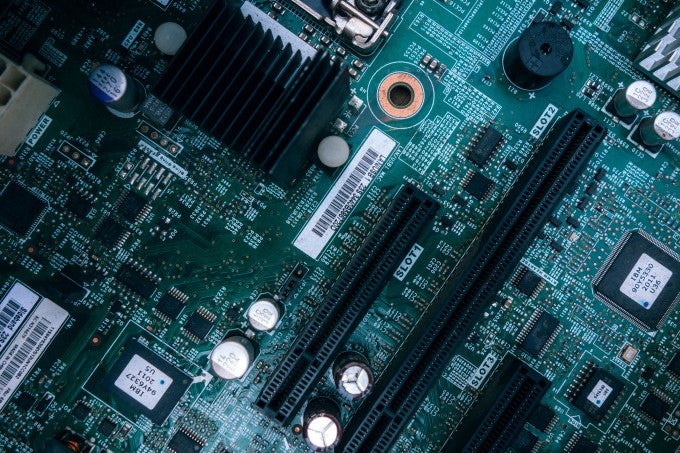
- Circuit board design skills. Hardware engineers should be proficient in designing, testing, and analyzing printed circuit boards, which make up the mechanical and electrical components of a computer.
- Soft skills. You learn soft skills for this career during school, while undertaking an internship, and in an entry-level position.
- Critical thinking skills. These skills are essential for creating a design that meets specific requirements. These abilities can also help with problem solving during testing, deployment, and manufacturing phases.
- Creativity. As designers, hardware engineers must often think creatively to develop systems that solve problems and meet requirements in a new way.
- Communication skills. While hardware engineers may work alone occasionally, they are often part of a larger team. Communication is essential in this setting. Those who do perform their duties by themselves still need to talk with software engineers, IT staff, or product managers to ensure that their designs effectively meet the project's goals.
These are necessary skills for all hardware engineers regardless of where they work.
Our Online University Degree Programs Start on the First of Every Month, All Year Long
No need to wait for spring or fall semester. It's back-to-school time at WGU year-round. Get started by talking to an Enrollment Counselor today, and you'll be on your way to realizing your dream of a bachelor's or master's degree—sooner than you might think!
Next Start Date
{{startdate}}
Interested in Becoming a Hardware Engineer?
Learn more about degree programs that can prepare you for this meaningful career.


