
What Is a Post-Baccalaureate Teaching Certification?

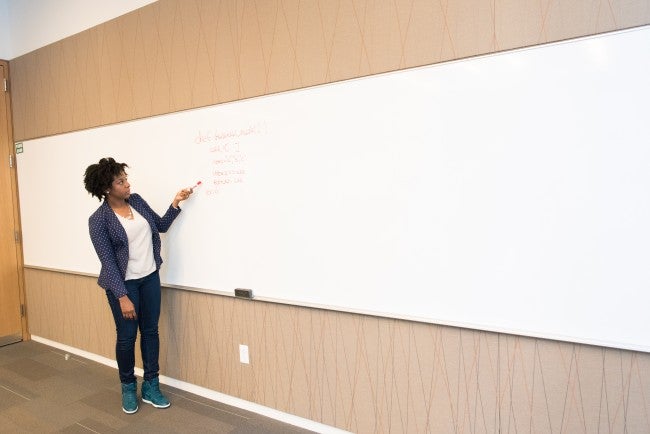
If you’re wondering whether you should become a teacher, you may be among the many people who feel called to teach. You might wonder whether you could make a difference helping students find a love of learning. You’re not alone in feeling excited about working with students every day. Many people feel that desire early and pursue a degree that prepares them for teaching right away, while others realize later that teaching is their true passion.
In fact, many people already hold an undergraduate degree in a non-teaching field and are working in a different profession when they feel the call to teach. If that’s you, don’t worry. There are several options for pursuing your passion. Becoming a licensed educator gives you a chance to make meaningful contributions to students’ lives both in and out of the classroom, no matter what education or profession you have now.
Read on to learn about your options for becoming a licensed teacher, including a post-baccalaureate certificate, a bachelor’s degree, and a master’s degree, and how other WGU teacher certification programs fit in.
What Is a Post-Baccalaureate Certificate?
If your undergraduate program was in a non-teaching field, a post-baccalaureate certificate is one way to prepare for a teaching certificate. The name post-baccalaureate means “after the bachelor’s degree,” and the credential is sometimes called a “post-bacc.” In these programs, you don’t earn a degree, which is why they’re called certificate programs.
A post-baccalaureate program is often around 20 to 30 credit hours, or roughly five to eight courses, though requirements vary by school and state. Many colleges and universities offer teacher certification programs, and each post-baccalaureate teacher licensure program differs, so it helps to compare what each one includes.
How Do You Get a Teaching License?
Each state has unique requirements for licensure, but they’re fairly similar across states. To begin with, you’ll need an academic degree that prepares you for teacher licensure. That’s true in every state, and while some states offer alternative routes, in most of them, earning a degree is key.
There are a few different ways to get the education you’ll need to become a teacher. The options include:
- Bachelor’s degree: A common path that builds teaching skills from the start of your college education.
- Post-baccalaureate certificate: A shorter program for career changers who already hold a bachelor’s degree in a non-teaching field.
- Master’s degree: A graduate degree program that leads to teaching certification and a higher credential.
Earning a Bachelor’s Degree That Leads to Teaching Licensure
This is one of the most common ways to earn a teaching license. These undergraduate programs provide the coursework that helps you prepare to manage a classroom and teach specific subjects, and they include student teaching, a supervised, in-classroom experience. WGU offers a wide variety of bachelor’s degree programs that prepare you for teaching licensure, from elementary education and special education to secondary math. Most universities and colleges offer bachelor’s teaching degrees.
Earning a Post-Baccalaureate Teaching Certificate
A post-baccalaureate teaching certificate is for people who already have a bachelor’s degree in a non-teaching field. You take a set of post-bacc courses that prepare you for a particular teaching certificate, and the program covers classroom management and the skills you’ll need for the age group or subject you plan to teach. Many post-baccalaureate teacher certification programs also include student teaching. This can be a good option for some people who want to become certified teachers, but for many, a master’s degree is a stronger choice.
A post-baccalaureate certificate program can seem appealing, but for a similar amount of time and work, you may be able to earn a master’s degree instead. A master’s degree can also strengthen your résumé and help you stand out from the competition, and it may pay off financially: The National Center for Education Statistics (NCES) reports that public school teachers with a master’s degree earned an average base salary of about $67,000 in 2020–21, compared with about $52,500 for teachers with a bachelor’s degree, and many district salary schedules reward advanced degrees. Those averages don’t account for years of experience, though, and a master’s degree isn’t the right choice for everyone.
WGU previously offered a post-baccalaureate program in elementary education and now offers a Master of Arts in Teaching in Elementary Education instead, which is a path that many career changers consider.
Earning a Master's Degree That Leads to Teaching Certification
There are many master’s degree programs that help you prepare for a teaching license. WGU’s Master of Arts in Teaching programs are designed for people with a bachelor’s degree in a non-teaching field. Program length varies, but you earn a graduate degree instead of only a certificate. These programs cover classroom management and subject-specific teaching skills and include student teaching, so you’ll be prepared for the classroom and for teacher licensure. WGU’s graduate-level teaching programs include:
- Teaching, Elementary Education (M.A.): Prepares career changers with a non-teaching bachelor’s degree to teach elementary learners.
- Teaching, Special Education (K–12) (M.A.): Prepares you to support learners with disabilities across grade levels.
- Secondary subject programs: Include Master of Arts in Teaching programs in subjects such as English, mathematics, science, and social studies for middle and high school classrooms.
What Happens After You Finish Your Program?
A bachelor’s, post-bacc certificate, or master’s are great options for people who want to become teachers. Requirements vary by state, so research what your state requires early. After you complete your degree or certificate program, the steps commonly include:
- Student teaching: Complete the supervised, in-classroom experience your program requires.
- Background check: Pass the background check your state requires.
- Skills test: Pass your state’s required skills test.
- License application: Apply for your teaching license through your state once you’ve met its requirements.
Ready to Become a Teacher?
If you hold a bachelor’s degree in another field and feel the pull toward teaching, explore WGU’s teacher certification programs—including the Master of Arts in Teaching in Elementary Education and the Master of Arts in Teaching in Special Education—and see how you can earn your degree online while you prepare for teacher licensure. When you’re ready, get in touch with WGU to talk through your options and next steps.


