
Why HR Roles Now Include Marketing Skills: Employer Branding, Talent and Employee Experience

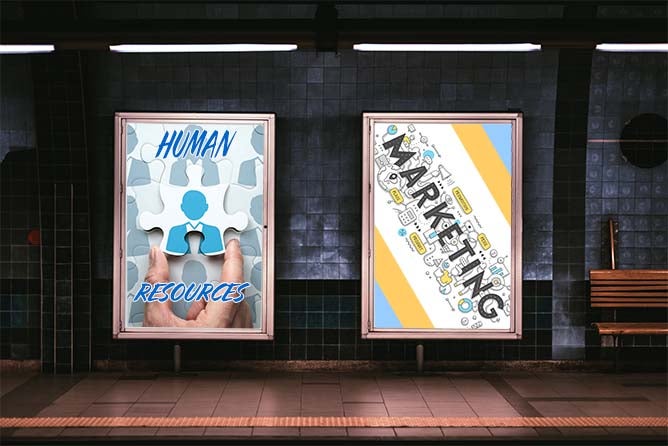
Hiring isn’t just about filling open roles anymore. In a competitive job market where candidates research employers the same way they research brands, HR departments have taken on a new responsibility: marketing their organization as a great place to work.
Modern HR professionals don’t just manage the hiring process. They help shape employer branding, influence candidate and employee experience, and communicate what makes an organization’s culture, values, and mission stand out. As a result, HR roles increasingly call for skills once associated almost exclusively with marketing, from storytelling and content creation to data-driven messaging and audience engagement.
Understanding why HR and marketing now overlap offers valuable insight into what today’s HR careers look like and how to prepare for them.
What’s Driving the Shift and Why HR Needs Marketing
Organizations compete for talent in the same way they pursue customers. In a competitive job market, employer brand and employee experience influence hiring and retention just as much as product quality or customer reputation.
In other words, the same principles that influence customer decisions also influence potential and current employees. Clear messaging, consistent branding, authenticity, and a positive experience help organizations stand out to top talent.
Concepts like branding and employer value proposition (EVP) play a role in recruitment like never before. For top talent, evaluating whether an organization is a great place to work is now a central part of the job-search process.
This means HR professionals increasingly require marketing expertise, and business graduates entering HR roles are expected to bring marketing skills to the job. These skills help HR teams compete more effectively for talent while strengthening long-term retention. From shaping employer brand messaging to supporting recruitment strategy and retention efforts, HR professionals now play a key role in how organizations position themselves in the job market.
Here are three of the top reasons why marketing skills have become essential today’s HR careers:
Competitive Talent Market
Today's HR professionals don't just wait for candidates to come to them. They actively seek out potential employees by marketing their organization to people who align with its values and culture. Recruitment marketing applies core marketing tactics such as multichannel communication, targeted messaging, and data analytics to attracting, engaging, and nurturing qualified candidates.
Part of this recruitment process involves keeping tabs on an organization's standing in the job market. Using marketing analytics, for example, HR professionals track and evaluate data such as employer rating on career sites and social media engagement across platforms. They might also rely on tools marketers use to better understand how various communication channels perform and which ones are most effective for reaching the right talent.
Employer Branding
HR roles now incorporate employer branding—another strategy inspired by the marketing field—into their day-to-day responsibilities. Branding tells the story of an organization's purpose, values, and vision, not just to customers but to potential and current employees as well.
Many HR pros often work with their organizations' marketing teams to craft recruitment messaging that's consistent with the employer's brand. This may include using multiple social media channels and coordinated messaging to show what makes that company an attractive place to work.
When marketing and HR teams work together, even as they speak to different audiences, they can create consistent messaging that supports recruitment efforts, strengthens a company’s culture, and attracts top talent. And because HR is so connected to an organization’s employees, mission, and values, they are able to help inform marketing strategies targeted toward recruitment and retention.
Recruiting as Marketing to Talent
Modern recruitment increasingly mirrors customer marketing, relying on candidate personas, content strategies, social media campaigns, and employer-brand storytelling. By using targeted messaging, multi-channel marketing campaigns, and audience analytics, HR teams can focus on content that resonates with potential employees while strengthening the organization’s reputation in the job market.
It also means meeting candidates where they are, especially on social media. HR responsibilities often include managing an employer’s LinkedIn profile, posting on job boards, and monitoring engagement across social media channels.
Key Functions Where HR and Marketing Merge
Employer Branding, EVP Development, and Communication
HR and marketing teams can work together to define and communicate the organization’s EVP and highlight what makes the company culture unique. When it comes to HR marketing, this could include social media campaigns, LinkedIn posts, and employee testimonials.
Recruitment Marketing and Candidate Experience
Recruitment is now similar to customer marketing, by creating candidate personas and targeting content to that audience. Job postings on social media, day-in-the-life videos, and virtual job fairs can improve the candidate recruitment experience.
Internal Communications and Employee Engagement
Marketing strategies can enhance internal messaging, and keep employees informed and engaged. Internal newsletters with storytelling and video updates from leadership are common practices.
Onboarding and Employee Lifecycle Marketing
Onboarding can also be treated like a marketing campaign to introduce employees to the company culture and values. Welcome kits, orientation videos, and current employee journeys can help new hire
Employee Advocacy and Brand Ambassadorship
Satisfied employees can be powerful advocates for a company. Marketing tools such as employee spotlights, social posts about achievements, and ambassador programs strengthen recruitment and brand awareness.
Culture Promotion and Consistent Brand Messaging
Consistent messaging across internal and external channels ensures the company’s culture is authentic and visible. Examples include coordinated campaigns highlighting company values, diversity initiatives, or community involvement.
Data-Driven Recruitment and Retention—Analytics, Segmentation, Feedback Loops
Marketing analytics can guide HR decisions, from assessing recruitment channel effectiveness to tracking employee satisfaction. Using surveys, segmentation, and engagement data helps HR refine strategies and improve retention.
What Skills and Tools HR Professionals Need in Today’s Workforce
Today’s HR professionals need a combination of people-focused skills and marketing tools that support recruitment, engagement, and retention, such as:
- Marketing mindset: The ability to think in terms of storytelling, value proposition, audience segmentation, candidate personas, and consistent brand messaging.
- Content creation and communications: Experience with social media, video, email campaigns, and SEO copywriting for job listings and employer brand content.
- Data and analytics: Comfortable using data to track candidate applications and movement through the interview process, measuring branding efforts, and evaluating engagement metrics, retention analytics, and employee survey data.
- Cross-department collaboration: The ability to work closely with marketing or communications teams to align brand and culture messaging across internal and external channels.
- Journey-based thinking: Understanding of candidate and employee experience as similar to a customer journey, mapping key touchpoints, optimizing experience, and using feedback loops to improve outcomes.
HR Challenges and How to Overcome Them
As HR teams take on more marketing responsibilities, they also face challenges that require thoughtful, people-centered solutions.
- Brand vs. reality mismatch: Employer branding promises must accurately reflect the actual employee experience. When messaging promises don’t align with workplace reality, trust and credibility suffer.
- Resource constraints: Smaller HR departments may lack the capacity to execute full-scale marketing initiatives. A phased approach that prioritizes key areas like employer value proposition or internal communications can make progress more manageable.
- Maintaining authenticity: Overly polished messaging can feel inauthentic and turn candidates away. Featuring real employee stories, transparent messaging, and genuine workplace experiences helps attract the right fit and reinforces trust.
- Measurement challenges: Employer branding and employee engagement are harder to quantify than traditional marketing outcomes. Combining qualitative feedback such as surveys and employee input with quantitative data like retention rates, application volume, and employee turnover provides a more complete picture of impact.
What The Expanding Role of Marketing Means for HR Pros, Business Leaders and Students
While there is still a difference between marketing and HR, the expanding role of marketing in human resources is changing how professionals, organizations, and future business leaders approach recruitment, hiring, and retention strategies. This shift signals a broader move toward experience-driven talent management across industries.
For HR professionals
Developing marketing skills helps HR professionals stay relevant, broaden their expertise, and contribute more strategically to employer branding, recruitment, and the overall employee experience.
For business leaders and managers
Investing in employer branding and internal marketing is important for long-term ROI by reducing turnover, improving morale, and lowering hiring costs.
For students and the future HR workforce
A well-rounded education that includes marketing, communication, branding, and analytics can signal the future of the human resources field to aspiring HR professionals.
Preparing for Success in HR Roles
Building a strong marketing skill set through coursework, internships, and networking events can help you enter the HR job market with in-demand, highly valued skills. WGU’s accredited, online marketing degree programs provide practical, career-focused coursework to help you develop the skills you need to understand branding, marketing, and experience initiatives. Explore WGU’s marketing degree programs and learn how expanding your marketing knowledge can give you a competitive edge in the workforce.
FAQs
What is employer branding and who should own it—HR or marketing?
Employer branding is how a company communicates its values and culture to attract and retain talent. HR and marketing should collaborate, with HR providing insights and marketing helping craft the messaging.
Can small companies without marketing departments still build an employer brand?
Yes. Small companies without marketing departments can build an employer brand by focusing on authentic storytelling, social media posts, and employee testimonials to highlight culture and values.
What marketing skills are most useful for HR professionals?
The most useful marketing skills for HR include:
- Content marketing
- Social media management
- Storytelling
- Audience segmentation/personas
- Analytics and reporting
- Understanding the candidate or employee journey
How do you measure the success of HR/marketing collaboration and employer branding?
To measure the success of HR/marketing collaboration and employer branding, use a mix of metrics. This can include employee surveys, retention rates, application volume, and social media engagement.
Is recruitment marketing just marketing disguised as hiring?
Not exactly. Recruitment marketing applies principles such as targeted messaging, campaigns, and content to attract and engage candidates strategically. Traditional hiring focuses on filling open positions through posting jobs and reviewing applications.
How does employer branding affect retention and engagement?
A strong employer brand helps employees feel connected to the organization, boosting retention and engagement, and reducing turnover.


