
Where Are the Men in Education?
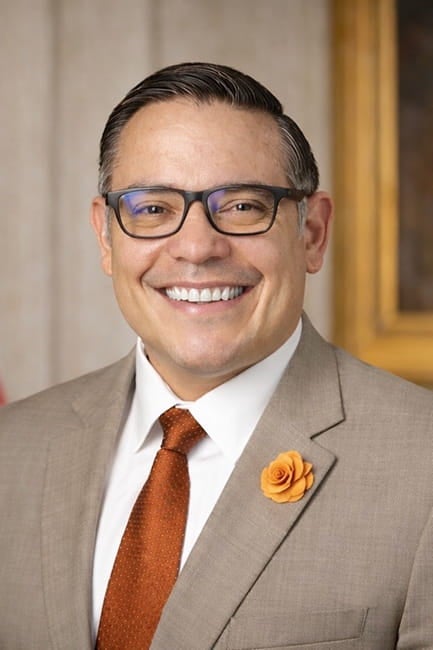
I still remember what it felt like walking into school as a kid who wasn’t quite sure where he fit. As the son of immigrants in an environment where I often felt out of place, I spent a lot of time trying to figure out who I was and where I belonged. There were moments early on where my confidence took a real hit, and I did not always see a clear path forward.
What made the difference was the male educators who showed up for me.
In sixth grade, I had a teacher who changed the trajectory of my life. What began in the classroom grew into something much more meaningful. He became someone I could trust. He pushed me and helped me begin to see possibilities I had not yet considered for myself.
Around that same time, I had a wrestling coach who reinforced those lessons on the mat. He challenged me to be disciplined, to stay consistent and to push through when things got hard. Together, those influences shaped how I saw myself and what I believed I could become.
That kind of presence matters more than we often realize, especially for those who don’t see themselves reflected in the leaders that surround them. But decades later, what stands out is just how rare that experience was.
After those early years, I went a long stretch without having another male teacher in the classroom. I saw men in leadership roles, but not in the day-to-day spaces where students are learning, growing and trying to find their footing. It was not until college that I again experienced that kind of representation in an academic setting. For many students, that is the norm.

The Lack of Men in the Teaching Profession
Today, about 23% of teachers in the U.S. are men, and at the elementary level, it is closer to one in 10. That means countless students are moving through their education without having a male teacher who can relate to their experiences or serve as a consistent role model. And we know that this kind of representation matters.
When students can see themselves in the people leading their classrooms, it shapes their confidence, their sense of belonging and how they imagine their own future. For some students, that connection can be the difference between disengaging completely and leaning into themselves and their futures. A shortage of male educators is not just a teaching staffing issue. It is a pipeline issue, and ultimately, a workforce and student success issue.
Creating Teacher Pathways for Men
There are not enough clear, supported pathways for men to enter and stay in the teaching profession, particularly in high-need communities. Throughout my career in higher education, from community colleges to four-year institutions and now at Western Governors University (WGU), I have seen this same pattern play out.
Addressing the lack of male teachers will require coordinated action across K-12 systems, higher education institutions and state policy. It will require us to rethink how we recruit, prepare and support future educators, and to be more intentional about who we are bringing into the profession. Knowing what an uphill battle this is, but also why it’s vital we do so, is why this work matters so much to me.
At WGU, we are launching a Texas Men in Education initiative focused on building those pathways in a more intentional way. We are launching this effort to expand access to the profession, increase visibility, and create support systems that help more men see teaching as both a viable and meaningful career. Because the reality is that men's voices matter in the classroom, and their presence is just as needed as women's.

Opening Male Teacher Pipelines at the Local Level
When I first spoke about this initiative at SXSW EDU in March, I was amazed at how many men could relate to my story and were also in need of more male role models and educators in their personal lives and communities. In the coming months, I will be hosting similar community conversations across Texas, bringing together students, educators and leaders from all industries to talk about why we need more men in educational roles. But this is just the beginning.
If you are a policymaker, education leader or community partner, this is a moment to be intentional about how we strengthen the educator pipeline and remove barriers for men entering the profession. WGU stands ready to partner with school systems, states and community organizations to help scale these pathways and meet workforce needs.
If you have had a teacher, coach or mentor who made a difference in your life, take a moment to thank them and encourage them to pass that impact on to the next generation.
We are starting this conversation at WGU. I hope you will join me by continuing it in your own communities.


